
What Baroness Amos’ recent report means for birth injury claims and NHS maternity care reform | Nash & Co Solicitors
Written by Mike Shiers | Medical Negligence team | 03 July 2026
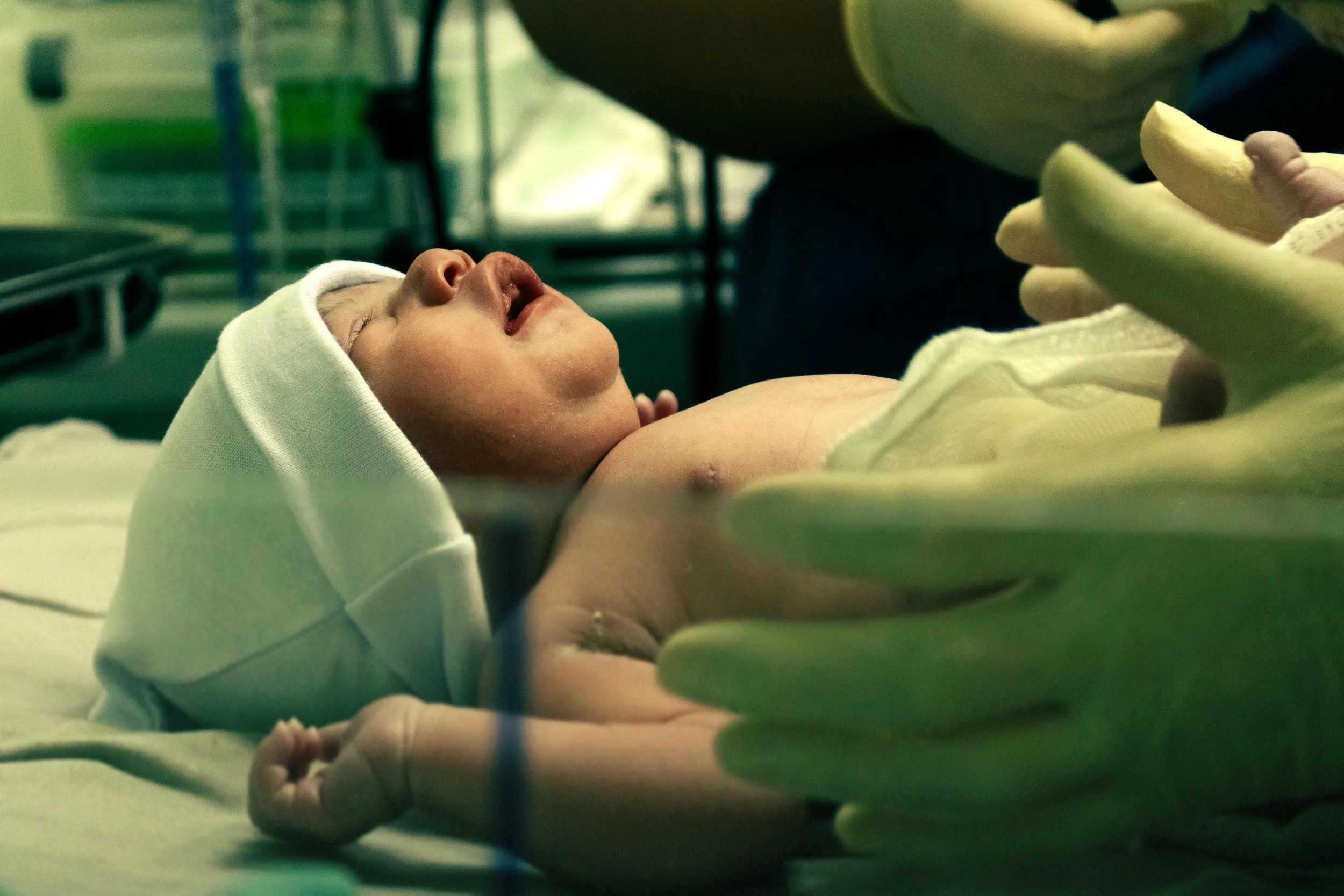
When something goes wrong during pregnancy or childbirth, families are often left searching for answers at a time when clarity matters most. For many, that search leads to questions not only about individual care but also about how maternity services are run more widely across the NHS.
The final report into maternity and neonatal services in England, led by Baroness Valerie Amos, has brought renewed attention to long standing concerns about safety, communication and accountability within maternity care.
The report reflects issues that many families have raised for years, particularly those who go on to pursue a birth injury compensation claim or NHS maternity negligence claim after experiencing avoidable harm.
At Nash & Co, we support families across Plymouth, Devon and Cornwall who are trying to understand what went wrong and what needs to change to prevent similar harm in the future.
Why Baroness Amos’ report matters for families affected by birth injury
The report highlights concerns that go beyond individual cases and point to wider systemic issues within maternity services.
Key themes include women feeling dismissed when raising concerns during pregnancy or labour, a lack of openness when things go wrong, inconsistent investigations into maternity incidents and a failure to consistently learn from previous mistakes.
These findings reflect what many families describe when they begin exploring whether they may have a birth injury claim, particularly where there has been brain injury at birth, delayed delivery or failures in monitoring during labour.
Importantly, the report suggests that these issues are not isolated, but part of a wider pattern that requires national level change.
What the report recommends for maternity services in England
The report sets out a series of recommendations aimed at improving safety, accountability and consistency across NHS maternity care.
A national approach to maternity safety improvement
One of the key proposals is the creation of a national maternity services taskforce. This is intended to bring greater consistency across NHS Trusts and ensure that lessons are shared more effectively.
The taskforce would sit alongside a wider national action plan designed to improve patient safety across maternity and neonatal services.
Stronger oversight and leadership
The report also recommends the establishment of a statutory Maternity Services Commissioner. This role would provide independent oversight and help drive accountability across the system.
The aim is to reduce variation between Trusts and ensure that maternity safety is treated as a national priority rather than something managed locally in isolation.
Improving how concerns are handled
A significant focus of the report is on how women’s concerns are received and acted upon. It highlights the need for cultural change so that families feel listened to and taken seriously when they raise concerns during pregnancy and birth.
Why accountability remains central to birth injury cases
For families affected by birth injury, accountability is often just as important as compensation.
When harm occurs, families frequently want to understand whether the injury could have been prevented, warning signs were missed or ignored, different decisions would have changed the outcome and why concerns raised at the time were not acted upon.
The report recognises that inconsistent investigations and a lack of transparency can leave families feeling that the only way to obtain answers is through legal action.
This is a significant issue in NHS maternity negligence claims, where clarity and explanation are often delayed or incomplete without formal proceedings.
The debate about compensation reform and no-fault systems
One of the more sensitive areas discussed in the report is whether the current legal approach to compensation should change. It suggests exploring a less adversarial system for handling maternity harm, sometimes referred to as a “no fault” approach.
Supporters argue that such a system could:
Reduce delays in compensation
Minimise conflict between families and NHS bodies
Provide quicker financial support for affected families
However, concerns have also been raised that it could:
Reduce transparency about what went wrong
Limit accountability for mistakes
Make it harder for families to obtain detailed answers
These concerns are particularly relevant given the existing challenges within systems such as NHS Resolution, where families sometimes report difficulty obtaining early clarity about their care. The report does not suggest a final answer but instead highlights the need for careful consideration of how fairness, transparency and accountability can be balanced.
What this could mean for future birth injury claims
While the report does not immediately change the law, it may influence how maternity care and claims are handled in the future. Potential long term impacts could include:
More consistent investigation processes across NHS Trusts
Greater focus on early identification of errors in maternity care
Increased scrutiny of maternity safety standards
Possible changes to how compensation systems operate
For families considering a birth injury compensation claim, it is important to understand that the current legal framework remains in place. Claims are still assessed based on whether care fell below a reasonable standard and whether that caused harm.
What families should know if they are seeking answers now
Even as discussions about reform continue, families currently affected by birth injury still need support and clear information.
If you are considering whether you may have a claim, it is important to know that you can request access to your maternity and neonatal records and you do not need certainty before seeking legal advice.
It is also important to be aware that early investigation can help clarify whether negligence may have occurred. There are legal time limits that may apply depending on the circumstances.
Many families feel unsure about whether it is appropriate to question NHS care. Seeking answers is often the first step towards understanding what happened and whether it could have been avoided.
How Nash & Co supports families
We support families across England and Wales with complex birth injury claims, including cases involving Cerebral Palsy, Hypoxic Ischaemic Encephalopathy (HIE), shoulder dystocia injuries, failure to monitor or act during labour and maternal injuries during childbirth.
We understand that every family’s experience is unique. For many, the priority is not only compensation but also understanding, accountability and reassurance that lessons will be learned.
We offer a free, no obligation consultation with an experienced member of our team. During this conversation, we will listen to what happened, answer your questions and explain whether a claim may be possible. If you decide to proceed, we handle claims on a no win no fee basis, allowing you to pursue compensation without paying legal fees upfront. You can get in touch with the team to discuss your circumstances confidentially and without any pressure to proceed by calling 01752 827067 or emailing enquiries@nash.co.uk.
Our role is to provide clear, compassionate advice and to support families through every stage of the process.