
Wills, Trusts, Tax and Probate Solicitors in Plymouth
There are times in life when it's important to make plans for the future, and others when you need help dealing with something you hadn't expected. You might be thinking about making your first Will, reviewing arrangements you've had in place for years, or considering how best to pass on your money, property or business to the next generation. Perhaps someone close to you has died and you're now responsible for dealing with their estate.
Whatever your circumstances, having the right advice can make a real difference. Some matters are relatively straightforward, while others involve complicated family relationships, substantial assets, trusts, inheritance tax or property held in different countries. Understanding your options and the decisions you need to make is an important part of getting things right.
At Nash & Co Solicitors, our Wills, Trusts, Tax and Probate team helps individuals, couples and families across Plymouth, Devon, Cornwall and further afield. Whether you're planning ahead or dealing with the responsibilities that follow someone's death, we'll take the time to understand your circumstances, explain everything clearly and help you make informed decisions.

Planning for the future and dealing with life's changes
Making a Will or putting your affairs in order isn't always as straightforward as deciding who should inherit what. There can be important questions about how your home, savings, investments or business will be passed on, how your family will be provided for and whether inheritance tax could affect what you leave behind.
For example, you may want your spouse or partner to be able to remain in the family home, while making sure your children eventually inherit your share. You might be concerned about leaving a large inheritance to someone who isn't ready to manage it, or want to provide for a vulnerable family member without affecting their financial support. Perhaps you own a business and need to consider what would happen to it if you died.
These are situations where the right legal advice can make a significant difference. Depending on your circumstances, we can help you structure your Will, consider whether a trust would be appropriate, review how your assets are owned and explain the inheritance tax implications of different arrangements.
If you're dealing with the estate of someone who has died, the questions are different. You may need to establish whether Probate is required, understand your responsibilities as an executor, deal with inheritance tax or work out how to administer an estate involving property, businesses or overseas assets. We can help with individual parts of the process or manage the administration on your behalf.
Our role is to help you understand your options, identify potential complications and put appropriate legal arrangements in place, so that you can make informed decisions with a clear understanding of the consequences.
Our related Wills, Trusts, Tax and Probate Services

Wills Solicitors
Making a Will allows you to decide who should inherit your money, property and possessions after you die. It also lets you appoint executors to administer your estate, make arrangements for children under 18 and leave gifts to family members, friends or charities.
Without a valid Will, your estate will be distributed according to the intestacy rules. These rules may not reflect your wishes, particularly if you are unmarried, have children from a previous relationship or want to provide for someone who would not automatically inherit.
Our Wills solicitors in Plymouth help clients prepare their first Will, update existing Wills and make more detailed arrangements where family or financial circumstances require them.
We regularly advise couples, parents, business owners and people with significant assets on Wills that take account of inheritance tax, trusts, family relationships and their longer-term wishes.

Trusts Solicitors
You may want to leave money to children or grandchildren but be concerned about them receiving a substantial inheritance at a young age. Perhaps you want to provide for someone with additional support needs, make arrangements for a spouse while preserving assets for your children, or plan how family wealth will be managed in the future.
A trust can sometimes help achieve these objectives.
Trusts allow assets to be held and managed by trustees for the benefit of named individuals or groups of beneficiaries. They can be created during your lifetime or through your Will, depending on what you want the arrangements to achieve.
Our Trusts solicitors advise on establishing and administering trusts, including discretionary trusts, life interest trusts and arrangements for vulnerable beneficiaries. We also help trustees understand their responsibilities and review existing trusts where circumstances have changed.
Trusts can have significant inheritance tax, capital gains tax and administrative implications. We will explain these before recommending whether a trust is suitable for your circumstances.
call Speak to one of our friendly Private Client Solicitors on 01752 827067
Probate and Estate Administration Solicitors
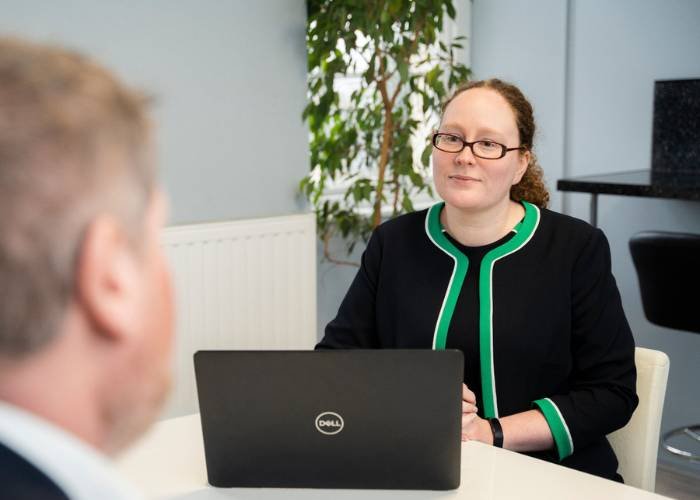
If someone has died and you have been appointed as an executor, you may be wondering what you need to do, whether you need a Grant of Probate and how long the process is likely to take.
Administering an estate involves identifying the deceased person's assets and liabilities, dealing with any inheritance tax requirements, collecting in assets and distributing the estate according to the Will or intestacy rules.
Some estates are relatively straightforward. Others involve property sales, multiple beneficiaries, trusts, business interests, substantial assets or complicated tax matters.
Our Probate solicitors in Plymouth help executors and families throughout Devon, Cornwall and beyond. We can advise on individual parts of the process, obtain a Grant of Probate or take responsibility for the full administration of an estate.
If you're unsure about your responsibilities as an executor, we can explain what is required and help you avoid mistakes that could have legal or financial consequences.
International probate and estates with overseas assets

If someone has died leaving property, bank accounts, investments or other assets in more than one country, administering their estate may involve additional legal requirements.
You may be dealing with the estate of someone who lived abroad but owned a property or held money in England and Wales. Alternatively, someone who lived in the UK may have owned a holiday home, investments or other assets overseas.
Different countries have different inheritance laws, probate procedures and tax rules. It may be necessary to obtain authority to deal with assets in more than one jurisdiction.
Our International Probate solicitors advise executors and families on the administration of cross-border estates, particularly the steps required to deal with assets situated in England and Wales.
We can also advise on resealing overseas Grants of Probate where the relevant legal requirements are met, or obtaining a separate Grant where resealing is not available. Where necessary, we work alongside legal advisers in other countries.

Inheritance Tax and Personal Tax Planning
If you have built up property, savings, investments or business assets over your lifetime, you may be concerned about how much inheritance tax your family could have to pay when you die.
Inheritance tax planning can involve reviewing the value and ownership of your assets, understanding the available exemptions and reliefs, considering lifetime gifts and looking at how your Will and any trusts are structured.
There may also be important tax considerations when passing on a business, making substantial gifts to family members or providing for future generations.
Our Personal Tax Planning solicitors in Plymouth advise individuals and families on inheritance tax and the legal aspects of estate planning.
We can help you understand how inheritance tax rules may affect your estate, whether particular reliefs or exemptions could apply and what planning options may be available. Where appropriate, we work alongside your accountant or financial adviser to ensure the arrangements are considered together.

Lasting Powers of Attorney Solicitors
What would happen if you became unable to manage your finances or make important decisions about your health and welfare?
A Lasting Power of Attorney (LPA) allows you to appoint someone you trust to make certain decisions on your behalf. It is a way of planning ahead so that, if your circumstances change, the people you have chosen can act within the authority you have given them.
There are two types of LPA. A Property and Financial Affairs LPA covers matters such as managing bank accounts, paying bills and dealing with property. A Health and Welfare LPA covers decisions about care, treatment and living arrangements when you lack capacity to make those decisions yourself.
Our Lasting Power of Attorney solicitors can help you understand the differences, choose suitable attorneys and prepare and register the documents.
You must have the necessary mental capacity when making an LPA, so it is worth considering these arrangements before they are urgently needed.

Help for former McClure Solicitors Clients
If you previously instructed McClure Solicitors to prepare a Will or establish a trust, you may have questions about the arrangements that were put in place.
Our team has experience helping former McClure Solicitors clients review their documents and understand the legal and financial implications of their existing arrangements.
This includes advice on trusts, Wills and related matters where clients have concerns about whether the arrangements remain suitable.

Asset Protection Trusts
If you've already placed your home or other assets into an Asset Protection Trust, you may be unsure how the trust works, whether you still have control over the property or what happens if your circumstances change.
Asset Protection Trusts can have important consequences for tax, property ownership, care funding and the administration of your estate. They do not automatically protect assets against every possible future claim or liability.
Our solicitors can review existing Asset Protection Trusts, explain their terms and implications and advise on any available options if the arrangements are no longer appropriate.

Contentious Probate and Inheritance Disputes
You may have concerns about a Will, believe that someone has been unfairly excluded from an inheritance or be worried about how an executor is handling an estate.
Disputes can arise where there are questions about whether a Will is valid, whether someone had the mental capacity to make it, whether they were placed under undue influence or whether reasonable financial provision has been made for certain family members or dependants.
There can also be disagreements between executors and beneficiaries about the administration or distribution of an estate.
These matters fall within an area of law known as contentious probate.
Our Contentious Probate solicitors advise individuals, beneficiaries and executors on inheritance disputes, challenges to Wills and claims involving estates.
We can explain the legal grounds for bringing or defending a claim, the evidence that may be required and the options for resolving a disagreement, including negotiation, mediation and court proceedings where necessary.

Glossary of Terms
Wills, Trusts and Probate can involve terms that are unfamiliar if you do not work in law. To make things easier, we have created a glossary that explains the most common words and phrases in plain English.
It is designed to help you feel confident and informed when discussing your Will, Trust or Probate matter with your solicitor.
When your family or financial circumstances are more complicated
For many people, making a straightforward Will or arranging a Lasting Power of Attorney will be enough. However, some families and estates involve additional considerations that require more detailed legal and tax planning.
You may have children from a previous marriage and want to provide for your current spouse without affecting what you intend to leave to your children. You might own a family business and be thinking about who should inherit your shares or how ownership will pass to the next generation.
Perhaps you have several properties, substantial investments, existing trusts or assets in different countries. You may also be concerned about inheritance tax, providing for a vulnerable family member or the responsibilities that your executors and trustees will have in the future.
Our solicitors regularly advise on matters involving complex family arrangements, business ownership, trusts, inheritance tax and the administration of substantial estates.
These circumstances can involve several connected legal and financial issues. For example, changing the terms of a Will may affect inheritance tax planning, while transferring business assets or establishing a trust can have consequences that extend beyond the immediate arrangements.
We can help you understand those connections and, where appropriate, work with your accountant, financial adviser or other professional advisers.
The important thing is that your arrangements are suitable for your circumstances, legally effective and based on a proper understanding of the implications.
Reviewing existing Wills and trusts

You don't have to be making a Will or establishing a trust for the first time to benefit from legal advice.
Perhaps your Will was prepared many years ago and your family circumstances have since changed. You might have inherited money, sold a business, married again or become a grandparent.
You may also have an existing trust and be unsure whether it still achieves what was originally intended, whether the trustees are meeting their obligations or whether there are tax consequences that need to be considered.
Our solicitors can review Wills, trusts and existing estate planning arrangements, explain what the documents mean and advise whether any changes would be appropriate.
Talk to our Wills, Trusts and Probate team
Choosing a solicitor to help with your Will, inheritance tax planning or the administration of an estate is an important decision.
You may be discussing personal family circumstances, sharing detailed financial information or making arrangements that could affect the people closest to you for many years.
Our specialist Wills, Trusts, Tax and Probate team has experience advising clients on both straightforward matters and more complex arrangements involving businesses, trusts, substantial assets and inheritance tax.
We believe it's important that you understand the advice you're receiving and the reasons behind it. We'll explain the options available, discuss any potential risks or implications and make sure you have the information you need to make your decisions.
You will also be told about the likely costs of the work before we begin, with updates if the scope of the work changes.
Our solicitors are based in Plymouth and work with clients regionally and across the country, including those who need assistance with estates involving overseas assets.
Call us on 01752 827067 or use the Get in Touch form below or on the Contact Us page, to arrange an appointment or a free initial conversation about your situation.
-
You can legally make your own Will in England and Wales, provided it meets the requirements for a valid Will. However, problems can arise if the wording is unclear, the Will is not signed and witnessed correctly or it doesn't properly account for your family and financial circumstances.
For example, you might assume that your share of a property will automatically pass under your Will, when the way you own the property means it passes directly to the surviving joint owner. You may also want to provide for children from a previous relationship, leave money to someone who needs additional support or make arrangements for a family business.
A solicitor can help you understand these issues and prepare a Will that reflects your wishes. They can also advise on inheritance tax, the appointment of executors and whether trusts might be appropriate.
Even if your circumstances seem straightforward, having a professionally prepared Will can help reduce the risk of uncertainty or disputes after your death.
-
This is a particularly important consideration for people who have remarried, have children from previous relationships or own a property jointly with their spouse or partner.
You may want your spouse or partner to be able to continue living in the family home after your death, while ensuring that your share of the property eventually passes to your children. Leaving everything outright to your spouse or partner may not achieve that, because they would generally be free to change their own Will or dispose of the assets they inherit.
Depending on your circumstances, a carefully drafted Will incorporating a life interest trust may be an option. This can allow someone to benefit from an asset during their lifetime, while specifying who should ultimately inherit it.
However, the arrangements need to be considered alongside how the property is owned, your wider estate, inheritance tax and the needs of everyone involved.
Our solicitors can explain the available options and help you decide how best to provide for the people who matter to you.
-
Engagements range from two weeks for focused audits to several months for comprehensive transformation.
-
Making gifts during your lifetime can sometimes reduce the value of your estate for inheritance tax purposes, but the rules are not as straightforward as simply transferring assets to someone else.
Many outright gifts to individuals are potentially exempt transfers. If you survive for seven years after making the gift, it will generally fall outside your estate for inheritance tax purposes, provided the relevant conditions are met.
There are also exemptions for certain smaller gifts and gifts made from surplus income, although specific requirements apply.
However, giving away your home while continuing to live in it without paying an appropriate market rent may mean it is still treated as part of your estate under the gift with reservation of benefit rules.
Transferring property or investments can also have capital gains tax, stamp duty land tax and other consequences.
Before making substantial gifts, it is important to consider your own future financial needs, including retirement, care and unexpected expenses.
We can advise on the legal and inheritance tax implications of lifetime gifts and help you understand how they might fit into your wider estate planning.
-
A Will sets out what should happen to your estate after your death. A trust is a legal arrangement in which trustees hold and manage assets for the benefit of other people.
You do not necessarily need a trust. For many people, a straightforward Will is sufficient.
However, a trust may be worth considering if you want to provide for young children, protect the interests of a vulnerable beneficiary, allow someone to benefit from an asset during their lifetime or manage how and when an inheritance is distributed.
Trusts can be established during your lifetime or created through your Will. Different types of trusts operate in different ways, and some involve ongoing administration, tax reporting and trustee responsibilities.
A trust should have a clear purpose. Establishing one without understanding the legal and financial implications can create unnecessary complexity or expense.
Our solicitors can help you understand whether a trust would provide a genuine benefit in your circumstances and explain the alternatives where appropriate.
-
Being named as an executor means you have been chosen to administer someone's estate after their death.
Your responsibilities may include identifying and valuing their assets, establishing what debts are owed, dealing with inheritance tax, applying for a Grant of Probate where necessary, collecting money and property and distributing the estate to the beneficiaries.
You must act in accordance with the Will and your legal duties. Executors can potentially be personally liable if they distribute assets incorrectly, fail to deal with liabilities or otherwise breach their responsibilities.
Not every estate requires a Grant of Probate. Whether one is needed often depends on the types of assets involved, how they were owned and the requirements of the organisations holding them.
For example, jointly owned assets may pass automatically to a surviving joint owner, while a property held in the deceased person's sole name will commonly require a Grant before it can be sold or transferred.
You do not have to administer the estate entirely on your own. Our Probate solicitors can help with specific tasks or handle the full administration on your behalf.
-
If someone dies owning assets in more than one country, their estate may need to be dealt with under the legal requirements of each relevant jurisdiction.
For example, a person who lived in England may have owned a holiday property in Spain, while someone who lived overseas may have retained a bank account or property in England and Wales.
An English Grant of Probate will not necessarily be sufficient to deal with assets overseas. Equally, a Grant issued in another country may not automatically be recognised by banks or other organisations in England and Wales.
In certain circumstances, an overseas Grant can be resealed in England and Wales. Where resealing is not available, a separate application may be necessary.
There may also be questions about which country's succession laws apply, inheritance tax, double taxation relief and the responsibilities of executors or personal representatives.
Our International Probate solicitors can advise on the steps required to deal with assets in England and Wales and work with overseas legal advisers where necessary.
-
You may be able to challenge a Will, but the legal grounds for doing so are important.
A Will is not automatically invalid because someone considers its contents unfair or is disappointed by what they have inherited.
A challenge to the validity of a Will may be possible where there are concerns about the deceased person's testamentary capacity, undue influence, lack of knowledge and approval or whether the Will was properly executed.
Separately, certain individuals may be entitled to apply for reasonable financial provision from an estate under the Inheritance (Provision for Family and Dependants) Act 1975, even where the Will itself is valid.
Disputes can also arise about how executors are administering an estate or interpreting the terms of a Will.
Different types of claims have different legal requirements and time limits. For example, claims under the 1975 Act generally need to be brought within six months of the first Grant of Representation, unless the court permits a later application.
If you have concerns about a Will or inheritance, obtaining advice promptly can help you understand whether you have a potential claim and what steps may be appropriate.
-
It is sensible to review your arrangements whenever there is a significant change in your personal or financial circumstances.
This might include marriage, divorce, the birth of children or grandchildren, the death of a beneficiary or executor, the purchase of property, the sale of a business or a substantial change in your assets.
Marriage or civil partnership can also revoke an existing Will in England and Wales unless the Will was made in contemplation of that particular marriage or civil partnership and the relevant legal conditions are satisfied.
Divorce does not automatically revoke a Will, but it can affect provisions relating to a former spouse or civil partner.
Changes in tax legislation may also affect the suitability of existing arrangements, particularly where trusts, business assets or inheritance tax planning are involved.
If you established a trust many years ago, it may also be worth reviewing whether the trustees, beneficiaries and administrative arrangements remain appropriate.
Our solicitors can review your existing documents, explain their current effect and advise whether any changes should be considered.
Frequently Asked Questions
Get in touch
Fill out the form below and let us know whether you would like us to call you, or email you. One of our Wills, Trusts, Tax, and Probate team will be in touch as soon as we can. If your enquiry is urgent then please call us on 01752 827067.
We will use the information you provide to respond to your enquiry and, where appropriate, discuss how we may be able to help. For more information about how we handle your personal data, please read our Privacy Notice.