
How NHS Resolution handles birth injury claims and why families often still have unanswered questions | Nash & Co Solicitors
Written by Mike Shiers | Medical Negligence team | 03 July 2026
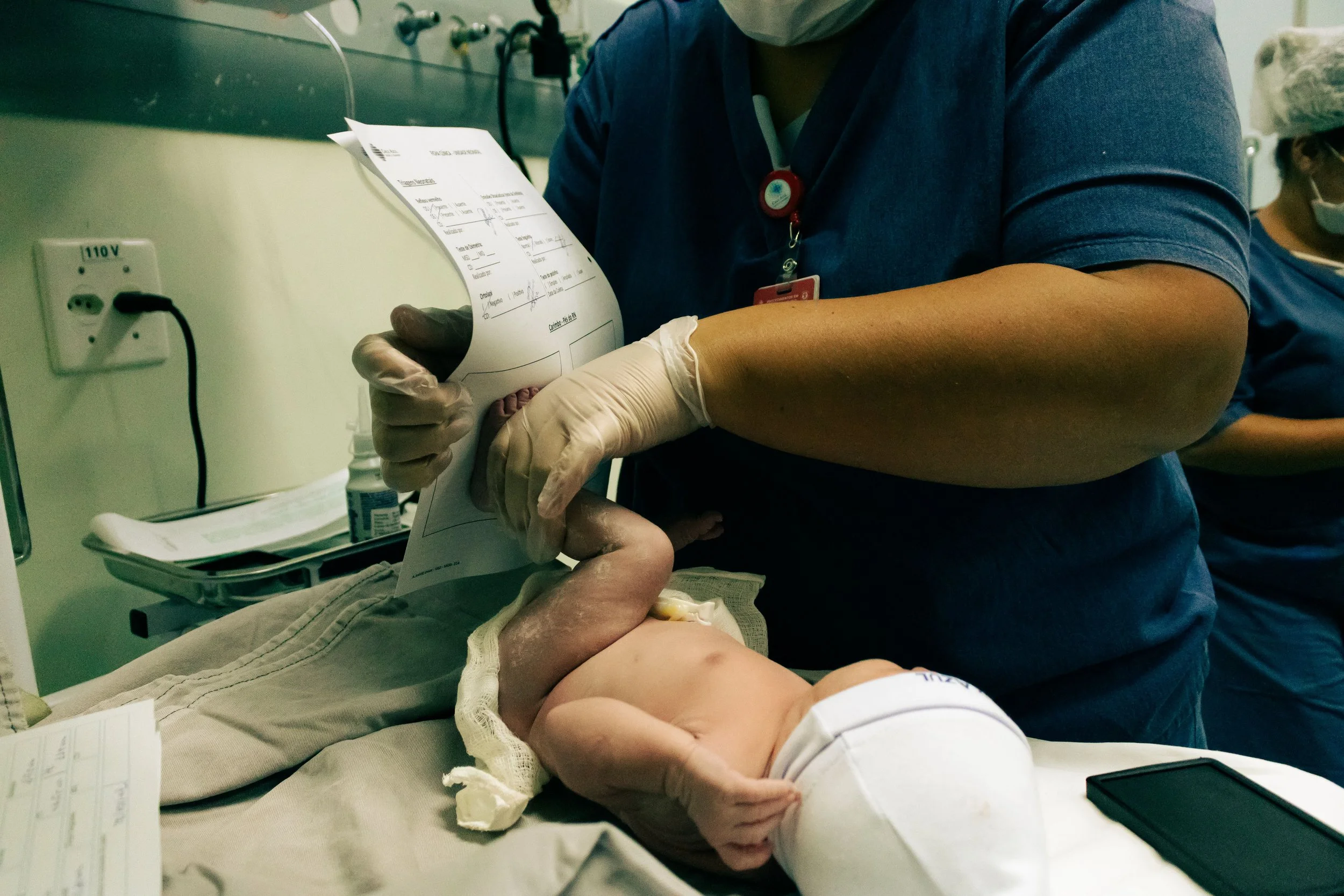
When something goes wrong during pregnancy or childbirth, families are often left not only coping with the emotional impact but also trying to understand what happened and why.
For those considering a birth injury compensation claim, such as neonatal injury, brain injury at birth or serious complications during labour, the process of finding answers can feel complex and slow.
Recent discussions following the final report by Baroness Valerie Amos into maternity and neonatal services in England have once again highlighted long standing concerns about transparency, consistency and how families experience the system when harm occurs.
At Nash & Co, we regularly support families from Plymouth, Devon and Cornwall who find themselves in this position, often after being told very little about what went wrong.
What NHS Resolution does in birth injury claims
NHS Resolution is responsible for managing clinical negligence claims against NHS Trusts in England. This includes claims involving maternity care, delayed diagnosis, and injuries sustained during labour or delivery.
In practice, its role includes:
Handling legal claims made against NHS hospitals
Assessing whether compensation should be paid
Defending NHS Trusts in clinical negligence proceedings
It is important to understand that NHS Resolution is not an investigative body in the way many families expect. Its role is primarily legal and financial, which shapes how birth injury claims are managed from the outset. It functions more like an insurance company representing the interests of the healthcare providers. As claims progress it is likely that NHS Resolution will instruct solicitors to deal with the claim.
Why families often begin their journey feeling confused and unheard
For many parents, the path towards a birth injury claim does not start with legal action. It starts with questions that remain unanswered. We often hear concerns such as:
“We were not given a clear explanation of what happened during delivery”
“We felt our concerns were not taken seriously at the time”
“We only began to understand what might have gone wrong after seeking legal advice”
These experiences reflect wider themes raised in maternity care reviews, including concerns that women’s voices are not always listened to and that families can feel dismissed when they raise concerns during pregnancy or labour.
The result is that the legal process can become the first point at which a full explanation begins to emerge.
How NHS Resolution fits into the wider claims process
The way NHS Resolution operates is shaped by its position within the NHS system itself. It is responsible for both managing claims and protecting NHS resources, which naturally influences how cases are approached.
This structure can create several challenges for families pursuing NHS maternity negligence claims.
A process shaped by defence as well as disclosure
Because NHS Resolution acts on behalf of NHS Trusts, the process often involves defending clinical care decisions. Even where there is cooperation, the structure of the system can feel formal and adversarial.
Limited early transparency in many cases
Families frequently report that detailed explanations of what happened are not provided until formal legal proceedings begin. This can delay understanding at a time when clarity is deeply needed.
Inconsistency in investigations and learning
One of the key concerns highlighted in maternity care reviews is that investigations are not always consistent between NHS Trusts. This can lead to families receiving different levels of detail or explanation depending on where care was provided.
The emotional impact on families
When answers are delayed or unclear, families are left to piece together events themselves. This uncertainty can add to the distress of coping with a birth injury.
What recent maternity care reviews have highlighted
The findings of the recent report into maternity and neonatal services, led by Baroness Valerie Amos, reflect many of the same issues that families raise when seeking answers through NHS Resolution claims.
Key concerns include:
Women feeling their concerns are not listened to during pregnancy and labour
A culture within maternity services that can feel closed or defensive
Inconsistent investigation processes when things go wrong
A lack of learning from previous mistakes
The report also notes that families often feel the only way to obtain clear answers is through legal action, which mirrors what many people experience when beginning a birth injury compensation claim.
Why the search for answers is often just as important as compensation
For most families, a birth injury claim is not only about financial compensation. It is about understanding what happened.
Common questions include:
Could the injury have been prevented?
Were warning signs missed or not acted on?
Was there a delay in delivering care?
Would different action have changed the outcome?
When these questions remain unanswered within the clinical system, the legal process often becomes the only way to obtain clarity.
This is why independent medical negligence investigation plays such an important role in many cases.
What families should know if they are considering a claim
If you are beginning to explore whether you may have a medical negligence birth injury claim, there are some important points to keep in mind:
You are entitled to request your maternity and neonatal records
You do not need to have proof before seeking legal advice
Early advice can help clarify whether negligence may have occurred
Time limits may apply depending on the circumstances of the case
Many families feel unsure about whether it is appropriate to ask questions about care received. Seeking answers is often the first step towards understanding what happened.
How Nash & Co supports families
Our team of Medical Negligence lawyers support families across the South West with complex birth injury claims, including cases involving Cerebral Palsy, Hypoxic Ischaemic Encephalopathy, shoulder dystocia injuries, failure to monitor or act during labour and maternal injuries during childbirth.
We understand that every case is deeply personal. For many families, the priority is not only compensation but also clarity, accountability and reassurance that lessons will be learned. Our role is to provide clear, compassionate advice and to support families through each stage of the process.
We offer a free, no obligation consultation with an experienced member of our team. During this conversation, we will listen to what happened, answer your questions and explain whether a claim may be possible. If you decide to proceed, we handle claims on a no win no fee basis, allowing you to pursue compensation without paying legal fees upfront.
You can get in touch with the team to discuss your circumstances confidentially and without any pressure to proceed by calling 01752 827067 or emailing enquiries@nash.co.uk.