
Brain Injury to Baby Compensation Claims
A brain injury at birth can have life changing consequences for a child and their family. In some cases, the effects become clear immediately. In others, developmental delays only become apparent months or years later.
For many parents, there is a lingering question beneath the medical appointments and therapy sessions. Could this have been prevented? Not every brain injury at birth is caused by medical negligence. However, where healthcare professionals failed to monitor, diagnose or respond appropriately during pregnancy, labour or shortly after delivery, and this led to avoidable harm, a compensation claim may be possible.
At Nash & Co Solicitors, we support families in Plymouth, and across Devon and Cornwall. We understand that these cases are about far more than legal principles. They are about securing lifelong care, specialist support and financial stability for your child’s future.
-
Brain injury at birth can occur for a number of reasons, including oxygen deprivation, infection, trauma during delivery or complications in the neonatal period. In some cases, these events are unavoidable. In others, earlier intervention or more appropriate monitoring may have prevented or reduced the injury. Independent medical experts are required to assess whether the care provided met accepted standards.
-
Hypoxic ischaemic encephalopathy, often referred to as HIE, is a type of brain injury caused by a lack of oxygen and blood flow to the brain around the time of birth. The severity can vary, and the long term impact depends on the extent of the injury. Where delays in delivery or failure to recognise distress contributed to oxygen deprivation, a negligence claim may be possible.
-
Some cases of cerebral palsy are linked to events during labour, particularly where there has been prolonged oxygen deprivation or untreated infection. Not all cases are caused by negligence, but where appropriate monitoring or intervention was lacking, it may be appropriate to investigate further.
-
It is completely natural to question what happened, especially if your child’s diagnosis came unexpectedly. The only reliable way to determine whether negligent care occurred is through a detailed review of the medical records by independent obstetric and midwifery experts. We arrange this investigation and explain the findings clearly and honestly.
-
For children, the three year limitation period usually begins on their 18th birthday. This means there is time to investigate thoroughly to work towards the best possible outcome for you and your family.
Get in touch with us to
talk about your situation
We will use the information you provide to respond to your enquiry and, where appropriate, discuss how we may be able to help.
For more information about how we handle your personal data, please read our Privacy Notice.
What is a Brain Injury at Birth compensation claim?
A brain injury to baby compensation claim arises where substandard medical care during pregnancy, labour, delivery or the neonatal period caused damage to a baby’s brain.
Common causes linked to medical negligence include:
Failure to monitor fetal heart rate properly
Delays in performing an emergency Caesarean section
Failure to recognise signs of oxygen deprivation
Inadequate response to fetal distress
Mismanagement of shoulder dystocia
Mismanagement of placental abruption
Failure to treat neonatal infection or sepsis
Errors in neonatal resuscitation
Brain injuries at birth can include hypoxic ischaemic encephalopathy, cerebral palsy, seizures, developmental delay and long term neurological impairment.
Compensation in these cases is often substantial because it must reflect the cost of lifelong care, therapy, specialist accommodation and loss of earnings.
If you think this has happened to you or your child, or you want to get in touch about the details of your situation, please contact our team of professional lawyers to see if you can make a claim.

Signs You May Have a Brain Injury to Baby Claim
Brain injuries in babies can arise in a number of ways during pregnancy, labour or shortly after birth. While not every outcome can be prevented, there are situations where earlier action or different care may have reduced the risk of harm.
You may wish to explore a claim if:
There were delays in responding to signs of fetal distress
Your baby’s heart rate was not properly monitored during labour
There was a delay in performing an emergency Caesarean section
Oxygen deprivation (hypoxia) was not recognised or acted upon
Infections during pregnancy or after birth were not identified or treated promptly
Jaundice was not managed appropriately, leading to complications
There were concerns raised during pregnancy that were not followed up
In some cases, families may begin to question what happened after a diagnosis is made or when developmental concerns emerge. If you feel that something was missed or not handled as it should have been, it may be helpful to seek guidance.
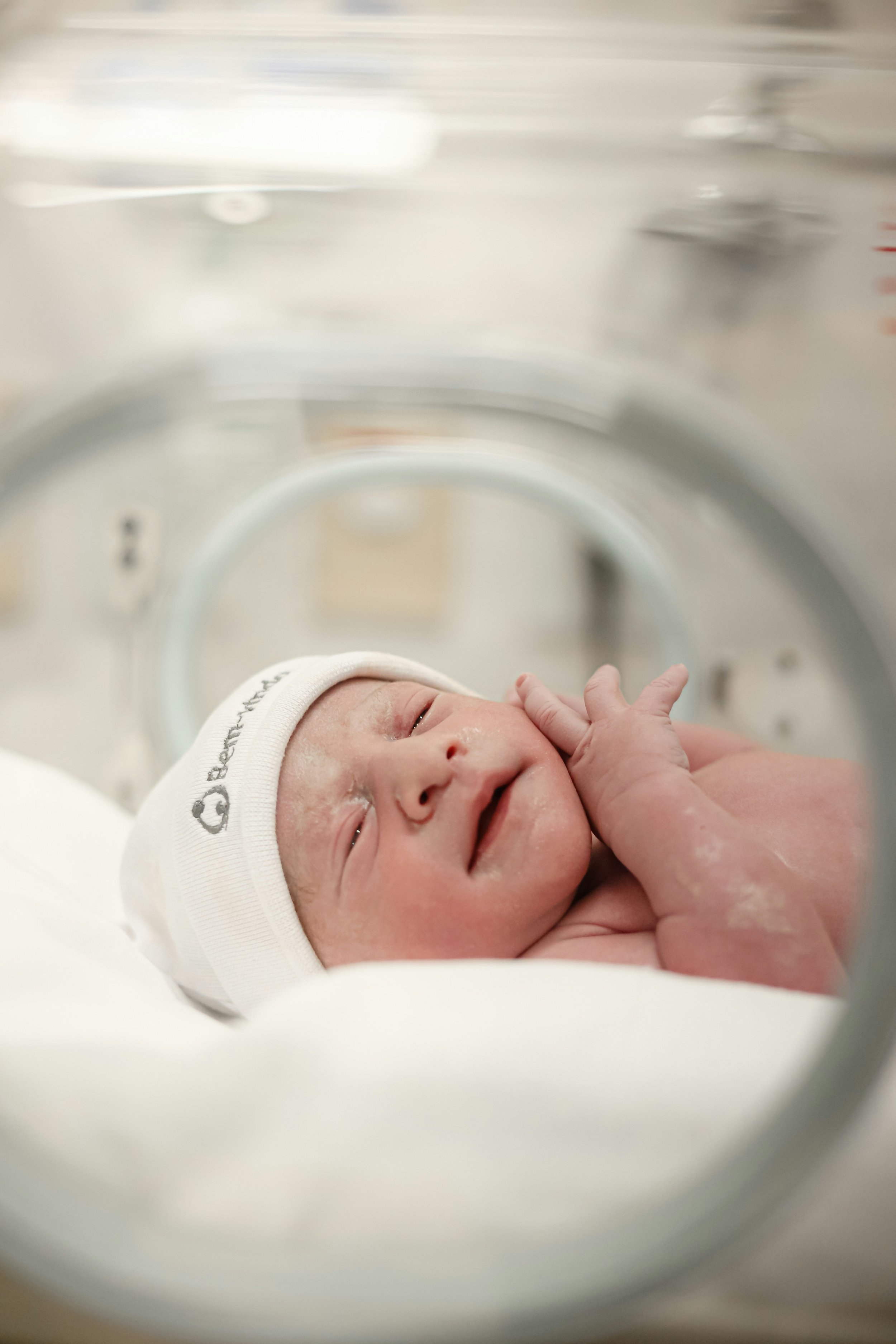
The value of a brain injury claim will depend on the severity of the injury and the level of support your child may need in the future.
In some cases, brain injuries can lead to long-term conditions such as developmental delay or cerebral palsy. Compensation is designed to provide financial security and ensure access to the right care, support and opportunities.
A claim may include:
Pain, suffering and loss of quality of life
Costs of ongoing medical treatment and therapy
Specialist equipment and assistive technology
Care and support needs, both now and in the future
Adaptations to the home or living environment
Educational support and additional resources
Given the potential long-term impact, these claims are carefully assessed to ensure that your child’s needs are fully met both now and in the years ahead.
Our Medical Negligence team will work with specialists to build a clear picture of what support may be required over time.
How Much Compensation Could Your Child Receive?
The first step is to speak with us in confidence. You can explain your child’s diagnosis and your concerns in your own time, and we will listen carefully before offering guidance. If there may be grounds to investigate, we will obtain the full medical records and independent obstetric, neonatal and neurological experts will assess whether the care provided fell below accepted standards and whether this caused the injury.
We understand that families in this situation are often already managing complex medical needs. Our aim is to make the legal process structured and supportive, not overwhelming. If the evidence supports a claim, we will explain the next steps clearly and begin building a case focused on securing the resources your child may need for life.
How do I make a Brain Injury to Baby compensation claim?
Time Limits for Making a Brain Injury to Baby Claim
Where a child has suffered a brain injury, the usual three-year time limit does not begin until their 18th birthday. This means that a claim can usually be brought at any time during childhood.
Parents or guardians can also bring a claim on behalf of their child at any point before then.
If a claim relates to injury suffered by the mother, different time limits may apply, typically running from the date of the incident or when concerns first arose.
Although there is often time to consider your options, seeking advice early can make it easier to gather evidence and understand the next steps.
Why choose Nash & Co Solicitors for an Brain Injury to Baby claim?
Brain injury at birth claims are medically and legally complex. They require careful investigation, experienced legal representation and access to leading independent experts.
Our medical negligence solicitors have experience handling serious birth injury cases and work with respected specialists across England. We are based in Plymouth and regularly support families across Devon and Cornwall.
We recognise that behind every case is a family adjusting to a very different future than the one they expected. Our role is to provide clarity, strong representation and practical support, while treating you and your child with dignity and respect.
When a child is diagnosed with a brain injury, life can quickly become dominated by appointments, therapy plans and long term uncertainty. At the same time, there can be unanswered questions about whether the injury could have been avoided.
We take time to understand your family’s situation before discussing legal options and will explain the evidence and legal position with full transparency. We understand the complexity and sensitivity of serious birth injury cases.
Where possible, we can help to secure early interim payments so that therapy, equipment or specialist support can be accessed without delay. Our aim is to help to ensure your child receives the financial security and care they may need throughout their life, while supporting you through a process that can feel daunting.
Our client-first approach

Additional Support
We understand that a brain injury diagnosis can have a profound impact on the whole family. Alongside the medical challenges, there can be uncertainty about the future and the level of care and support your child may need.
Our Medical Negligence team offers a free, no-obligation consultation where you can speak openly with a member of the team about your situation.
We handle claims on a no win, no fee basis, meaning there are no upfront costs and no financial risk to you.
Where a claim is successful, we may also be able to secure interim payments at an early stage. This can help families access therapies, specialist equipment or additional care without delay.
If you would like to understand whether you can make a brain injury to baby claim, we are here to listen and support you in taking the next step.



Brain Injury at Birth Compensation Claims FAQs
Below, we have addressed the most commonly asked questions about brain injury at birth claims and compensation.
If you have any other questions that aren't answered here, don't hesitate to contact us.
-
Some babies require assistance with breathing after delivery, and that alone does not necessarily mean something went wrong. However, if there were earlier warning signs during labour that were not recognised, or if resuscitation was delayed or not carried out appropriately, it may be necessary to investigate further.
An independent review of the medical records can help establish whether the response was timely and in line with accepted standards, and whether earlier intervention might have reduced the extent of the injury.
-
In certain situations, yes. If there were signs of fetal distress and delivery was not expedited appropriately, prolonged oxygen deprivation can occur, which may affect the brain. The key question is whether the delay fell below acceptable medical standards and whether it made a material difference to the outcome. These are complex issues that require detailed expert analysis, and we guide families carefully through that process.
-
In serious brain injury claims, compensation is designed to provide lifelong financial security. This can include specialist care, case management, physiotherapy, speech and occupational therapy, adapted housing, specialist equipment, educational support and future loss of earnings.
The purpose is not simply to award damages, but to ensure that your child’s long term needs are properly met without placing additional strain on the family.
-
No. Pursuing a claim will not affect your child’s right to NHS treatment. We understand that families often worry about this, particularly where ongoing specialist care is required. The legal process is separate from medical treatment, and your child’s care will continue as normal.
-
These cases are often medically complex and involve detailed assessment of long term prognosis, which means they can take time. While this can feel frustrating, particularly when you want answers and stability, it is important that the claim reflects your child’s full future needs. Where possible, we seek interim payments to provide financial support while the case progresses.
-
Many medical negligence claims are resolved through negotiation rather than a full court trial. If court proceedings do become necessary, we will prepare the case carefully and guide you through each stage so that you feel informed and supported throughout.
-
Yes. Even if the full extent of the injury is not yet clear, it can still be appropriate to begin investigating what happened. Early investigation can also help secure interim financial support where liability is admitted. We will advise you on the right timing based on your child’s individual circumstances.
Get in Touch
As one of the top law firms in Plymouth, we make four promises to you that shape our everyday job to deliver exceptional client service and positive outcomes.
We are transparent about costs
We'll keep things simple and understandable
We'll always be straight with you and keep you informed
You'll get fast, efficient, and reliable service
Rest assured, whatever medical negligence issue you're facing, we'll do our best to help you.
Give us a ring or fill in our form below to speak to a member of our team today, and get the answers you need to make your claim.
If your enquiry is urgent then please call us on 01752 827031.
We will use the information you provide to respond to your enquiry and, where appropriate, discuss how we may be able to help. For more information about how we handle your personal data, please read our Privacy Notice.