
Written by Mike Shiers and Rebecca Brisley | Medical Negligence team | 24 June 2026
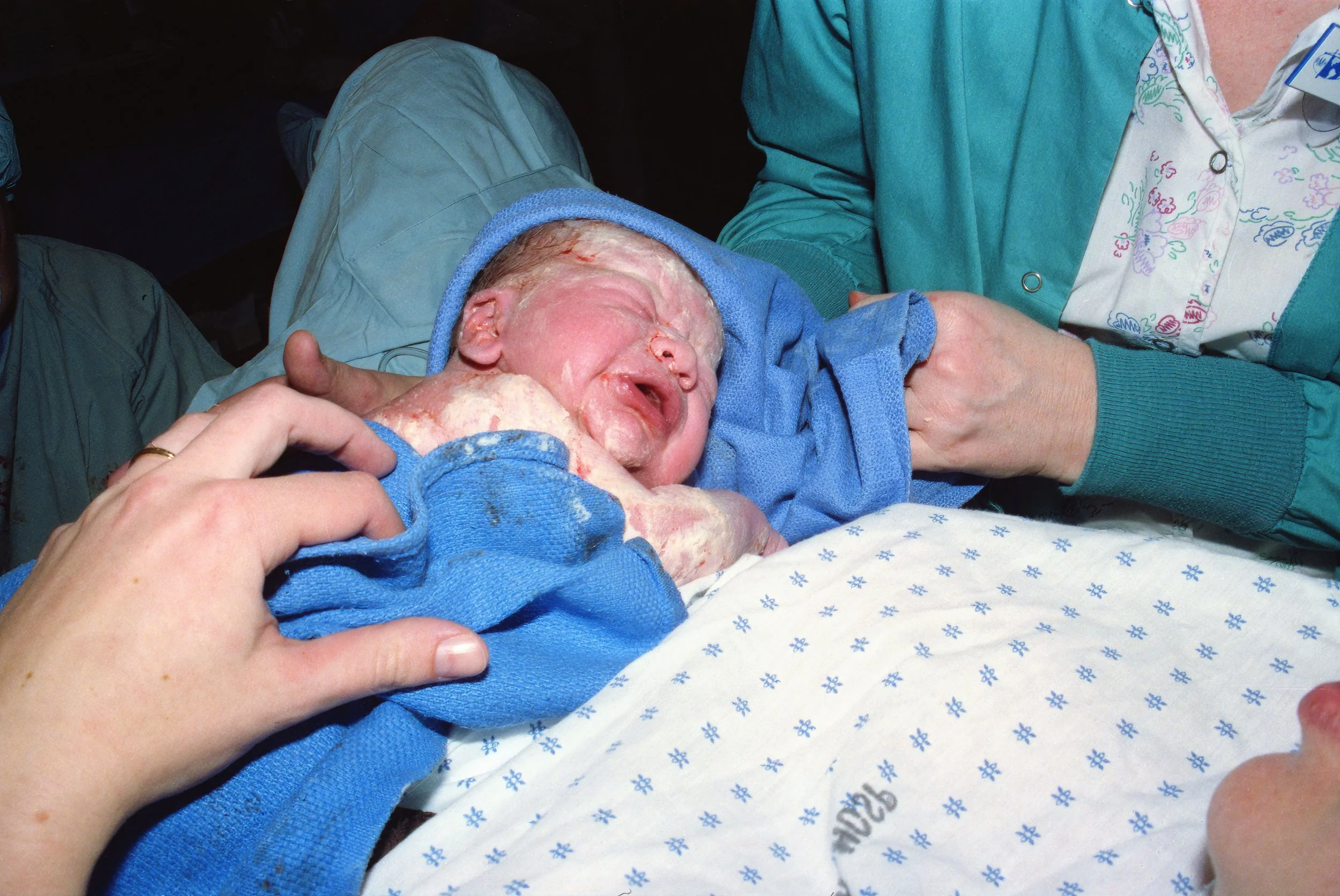
Many parents are surprised to learn that not all birth injuries are immediately identified. In some cases, concerns only arise weeks, months or even years after the birth when the full impact of what happened becomes clearer.
In many situations, birth injuries occur despite appropriate medical care and cannot have been prevented. However, there are circumstances where injury may be linked to substandard maternity care during pregnancy, labour or delivery.
At Nash & Co, we regularly speak with families across Plymouth, Devon and Cornwall, who are trying to understand whether something went wrong during their child’s birth. Often, they are unsure whether their concerns are valid or whether the outcome was unavoidable.
If you are wondering whether a birth injury may be linked to medical negligence, this blog explains how these cases are assessed, what warning signs may indicate concerns with care and when it may be appropriate to seek legal advice.
What is Medical Negligence in Birth Injury cases?
In England and Wales, medical negligence occurs when a healthcare professional owes a duty of care, falls below an acceptable standard and this failure causes avoidable harm.
In maternity care, this may include:
failure to monitor a baby properly during labour
delayed recognition of fetal distress
delays in arranging an emergency caesarean section
errors in assisted deliveries such as forceps or ventouse
failure to respond appropriately to maternal complications
Not every complication during birth will amount to negligence. However, where care falls below an acceptable clinical standard and injury results, there may be grounds for a claim.
Signs that a birth injury may be linked to negligent care
In many cases, concerns about possible medical negligence do not arise during labour itself but afterwards, when the outcomes for mother or baby are not what were expected.
Families often begin to ask questions when there is a difference between what they were told at the time and what becomes clear later.
While every situation is different, some of the more common reasons people seek advice include:
a baby needing unexpected or prolonged resuscitation at birth
admission to neonatal intensive care without a clear explanation of why complications occurred
a diagnosis of brain injury, oxygen deprivation or suspected hypoxic event
significant feeding, breathing or movement difficulties shortly after birth
concerns that complications were not anticipated despite known risk factors
a lack of clarity in maternity notes or conflicting explanations from medical staff
These circumstances do not automatically mean that care was negligent. However, they are often the point at which families begin to look more closely at what happened during pregnancy and delivery.
In many cases, it is only after reviewing medical records in detail that it becomes possible to understand whether the outcome was avoidable or whether it arose from recognised complications.
Common situations where concerns arise later
It is very common for families not to immediately suspect that medical negligence may have played a role.
Concerns often arise later when:
a child is diagnosed with cerebral palsy or developmental delay
there is evidence of oxygen deprivation at birth
medical explanations provided at the time do not feel complete
ongoing care and therapy needs become clearer
parents review medical records and notice gaps in information
In many cases, families only begin to understand the full picture after obtaining medical records or speaking to independent specialists.
Common birth injuries linked to medical negligence
Birth injuries can vary in severity and impact. Some resolve quickly while others result in long term or lifelong consequences.
The most common birth injuries seen in medical negligence claims include:
Hypoxic Ischaemic Brain Injury
This occurs when a baby is deprived of oxygen during labour or delivery. It can lead to brain damage and long term neurological conditions.
It may be linked to:
failure to recognise fetal distress
delayed emergency intervention
delays in caesarean section
inadequate monitoring during labour
Cerebral Palsy
Cerebral palsy is a group of conditions affecting movement and coordination. It can be caused by brain injury before, during or shortly after birth.
In some cases it may be associated with:
oxygen deprivation during labour
delays in responding to complications
failure to manage known risks during pregnancy or delivery
Brachial Plexus injuries including Erb’s Palsy
These injuries affect the nerves in the shoulder and arm and are often associated with difficult deliveries such as shoulder dystocia.
Concerns may arise where there is:
delayed recognition of shoulder dystocia
failure to use appropriate delivery techniques
excessive force during delivery
Fractures during birth
Fractures such as broken collarbones can occur during difficult deliveries or when instruments are used.
Possible concerns may include:
incorrect use of forceps or ventouse
poor handling during delivery
failure to anticipate complications in high risk births
Maternal birth injuries
Birth injuries can also affect mothers and may include:
severe perineal tears
postpartum haemorrhage
retained placenta complications
These may be linked to delayed treatment, poor monitoring or failure to respond to complications in a timely way.
When a birth injury may involve medical negligence
A birth injury may be considered negligent where:
care fell below an acceptable medical standard
warning signs were not acted on appropriately
there was a delay in providing necessary treatment
the injury could have been avoided with appropriate care
Each case requires careful review of medical records and independent expert evidence before any conclusions can be reached.
Why seeking advice can help
Many families are unsure whether they should seek legal advice, particularly if a significant amount of time has passed since the birth.
In many cases, speaking to a solicitor can help clarify what happened during labour and delivery, whether care may have fallen below an acceptable standard, whether further medical evidence is needed and whether a claim may still be possible.
Seeking advice does not mean you need to commit to making a claim. In many cases, it simply helps families understand their position more clearly.
At Nash & Co, we offer a free no obligation consultation so you can talk through your concerns and receive clear advice about your options.
Do you need evidence before speaking to a solicitor?
Many people assume they need medical records or proof before contacting a solicitor. This is not the case.
A specialist medical negligence solicitor can help you to obtain and review medical records, identify whether negligence may have occurred, instruct independent medical experts and assess whether a claim is within time.
Independent medical experts play an important role in these cases. They review the care provided and give impartial opinions on whether it met an acceptable standard and whether any harm could have been avoided.
You do not need to gather evidence yourself before seeking advice.
Is it worth enquiring if you are unsure?
It is often worth seeking advice even if you are unsure whether anything went wrong.
We regularly speak to families who initially believed that nothing could be done, too much time had passed, their concerns were not serious enough or they did not have enough information.
In some cases, there may still be options available and early advice can help clarify this.
How we can help
We understand that concerns about a birth injury can be deeply personal and often emotional. We support families across Devon, Cornwall and the wider South West with clear, practical advice tailored to their situation.
We act on a no win no fee basis in many medical negligence cases which means there is no financial risk to you in exploring a claim. We will always explain funding clearly from the outset so you understand how everything works.
We also offer a free initial consultation so you can speak to a member of our team, ask questions and understand whether there may be grounds to make a claim. If we do not believe there is a viable claim, we will always tell you honestly and explain why.
Contact us
If you are concerned about a possible birth injury and are unsure whether it may be linked to medical negligence, our team is here to help.
At Nash & Co, we support clients across Devon, Cornwall and Plymouth. We understand how important clarity and reassurance can be during difficult times and we aim to provide clear and compassionate advice from the outset.
You can contact our medical negligence team on 01752 827031 or email medneg@nash.co.uk.